Yakushima's Forests: Rain, Elevation, Logging Traces and Mountain and Beach Care
Introduction
On Yakushima, south of mainland Kagoshima, vegetation changes from coast to mountains approaching 2,000 meters. Its rainy forests contain logging traces and younger trees as well as ancient cedars.
1. Vegetation changes from coast to summit
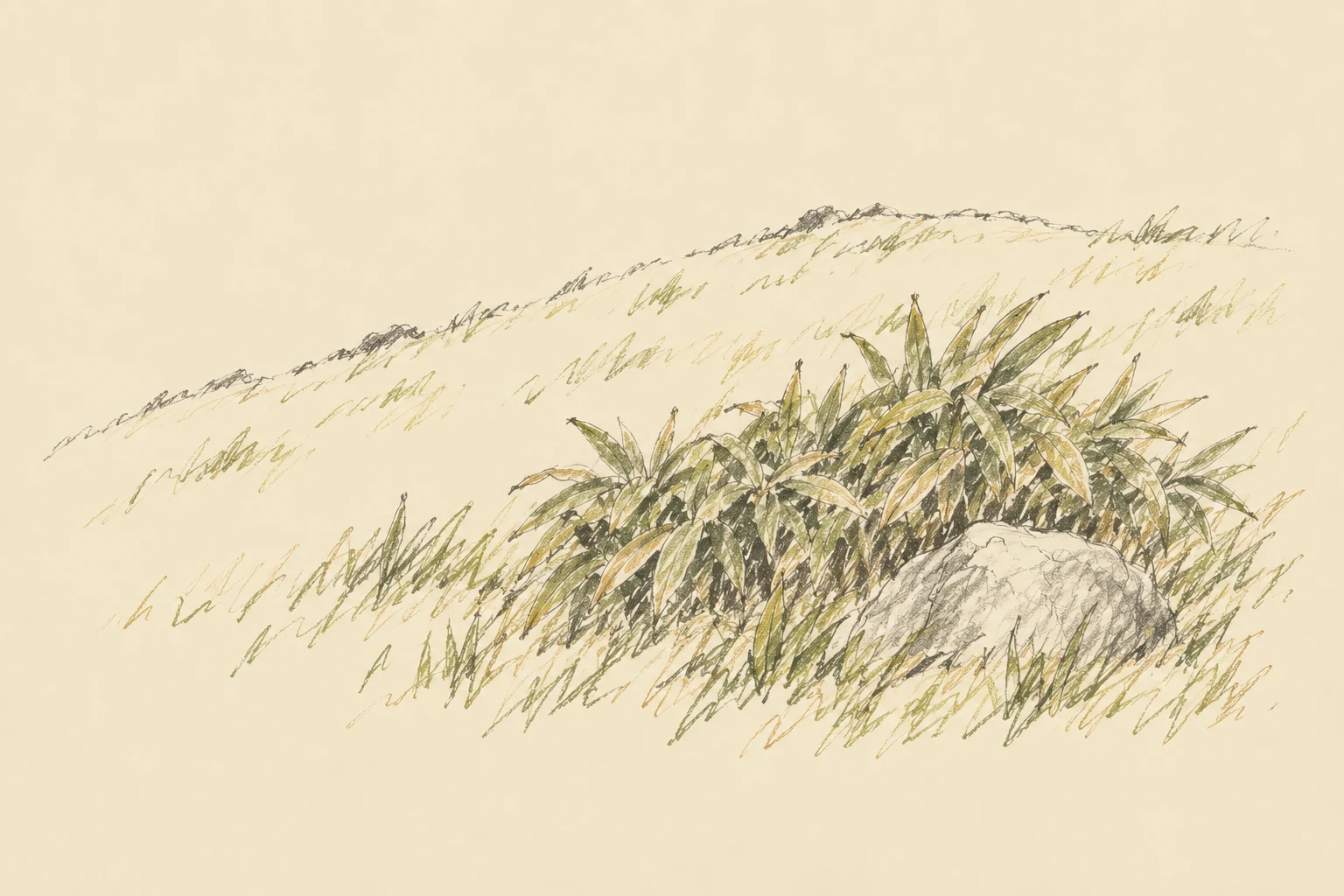
World Heritage values include the continuous vertical sequence from coastal vegetation through mountain forests to high wetlands and dwarf-bamboo grasslands. The area inscribed in 1993 covers about one fifth of the island and differs from the national park. The whole island is neither one protected area nor one kind of forest.
In the Edo period, cedar was split into thin roofing shingles for delivery. Work took place in the mountains before material moved coastward; later generations of cedar grew after felling.
2. A forest whose wood has been used
Yakushima's forests have supplied timber, fuelwood, charcoal and pulp. Forest renewal has involved trees growing again after felling as well as changes brought by typhoons and slope failures.
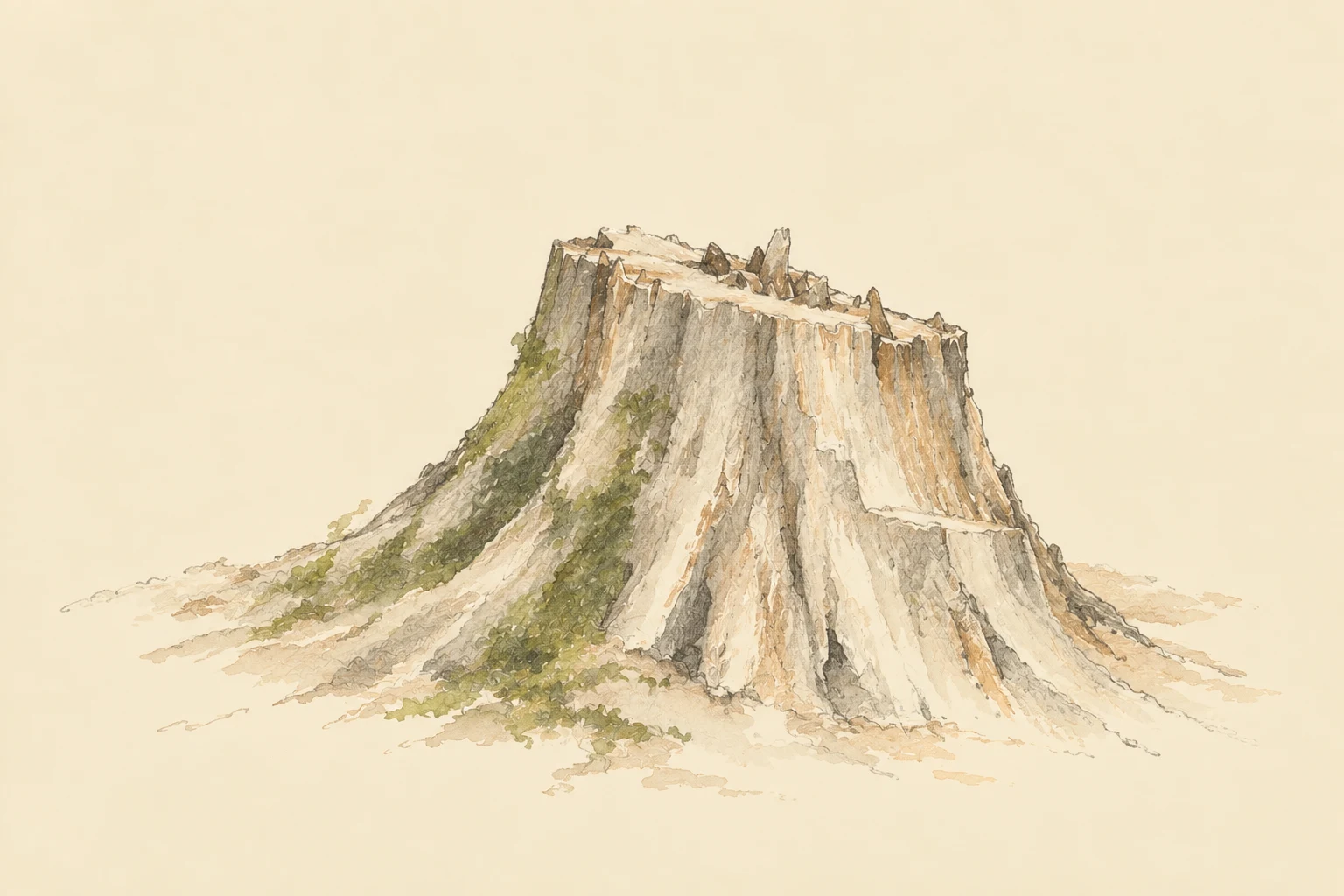
Old trees, stumps and later growth mark different periods of the forest. A tree beside a trail belongs to this longer history of felling and renewal.
3. Mountain toilets and beach turtles
Mountain walking depends on carrying human waste out as well as installing toilets. The World Heritage Center describes manual removal and asks visitors to use portable toilet bags, which contain waste for carrying out. Its toilet guide shows booths and collection points for planning before a hike.
Nagata Beach is the collective name for Inakahama, Maehama and Yotsusehama. The Environment Ministry’s observation rules, checked on October 25, 2026, ask visitors to avoid entering between 8 p.m. and 5 a.m. from May 1 through September 30, and to join organized programs to watch turtles. The programs run for a shorter season than this nighttime restriction, so check the relevant year’s dates and reservations.
Conservation work extends beyond the foot of giant trees: waste is carried from mountains, visitor areas maintained and beach wildlife protected. Both the climb from coast to mountain and the return to settlements depend on this management.
References
- UNESCO World Heritage Centre「Yakushima」解説・顕著な普遍的価値(2026年9月26日確認)。
- 環境省「屋久島世界遺産センター」区域・最新情報(2026年9月26日確認)。
- 環境省「トイレの利用」案内(2026年10月25日確認)。
- 環境省「ウミガメ観察ルール」案内(2026年10月25日確認)。
- 金谷整一・吉丸博志編『屋久島の森のすがた―「生命の島」の森林生態学』文一総合出版、2007年。
- 町田洋・太田陽子・河名俊男・森脇広・長岡信治編『日本の地形7 九州・南西諸島』東京大学出版会、2001年。
- 野澤秀樹・堂前亮平・手塚章編『日本の地誌10 九州・沖縄』朝倉書店、2012年。
- 九州森林管理局「屋久島森林生態系保護地域」