Kochi: Between Mountains and the Pacific in Southern Shikoku
Overview
Where it is in Japan
Kochi occupies southern Shikoku, an island south of Honshu (Japan's largest island). It faces the Pacific to the south, with mountains to the north and towns and fields along the coast and rivers.
Kochi City stands on a plain near the center, facing the broad curve of Tosa Bay. Mountains approach the coast farther east; the Shimanto River winds through valleys in the west. Coastal and mountain areas differ in temperature, rainfall and the amount of level land available.
Different seasons on coast and mountain
Coastal winters are relatively mild, with frequent dry, sunny weather in central and eastern Kochi. Western districts and the mountains can experience cold and snow. Wind at the capes, coastal temperature and mountain snow describe different local conditions.
Warm, humid air arriving from the south can bring heavy rain when it encounters the mountains. The ranges divide drainage basins while collecting water for their rivers. Coastal farms and towns are connected to rainfall upstream as well as to winter sunshine.
Linking coastal horticulture to distant markets
Growing vegetables under cover required more than a warm winter. Tamura’s 1986 study compares established production districts including Aki and Kami with newer ones such as Agawa, noting differences in crops and timing of development. Plastic coverings became more widely used from the early 1950s; joint shipments and distribution beyond the prefecture also supported production.
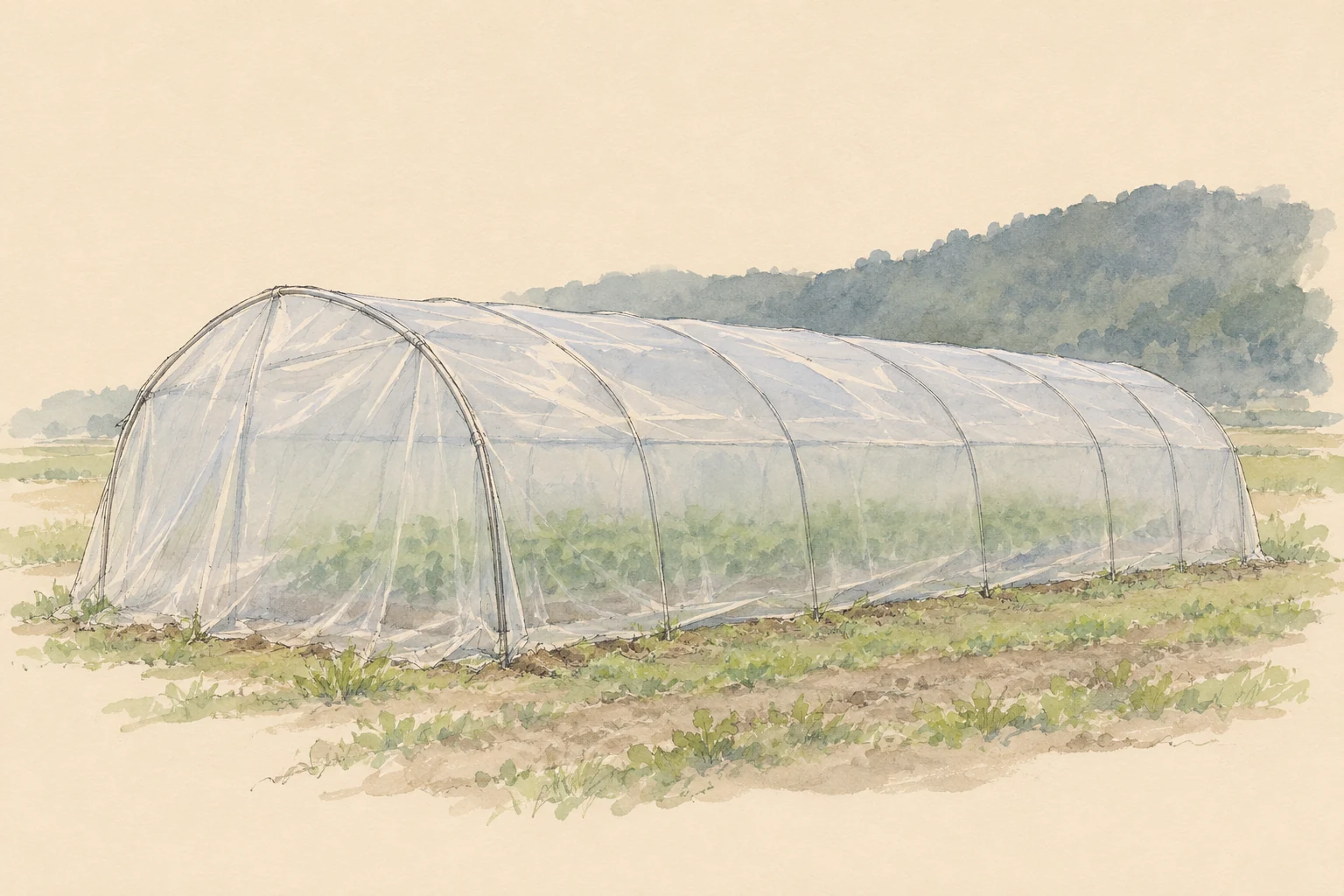
Transport shifted from ships to rail and trucks. Precooling and refrigerated transport changed the conditions for delivering fresh produce to distant buyers. Joint marketing organizations also returned market information to growers. Tamura’s account, covering developments through the 1980s, considers how costs and sales channels affected farmers differently. Climatic advantages did not guarantee a fixed return.
Crossing western river valleys
The Shimanto River’s low-water bridges are submerged during high water. Their low decks and lack of railings reduce resistance to water and floating timber. They connect roads across the valley and have served everyday movement as well as becoming part of its scenery.
The prefecture’s preservation policy is conditional on flood protection and maintenance requirements. Keeping mountain crossings in use and sending coastal produce to distant markets involve different kinds of work. Both belong to connections built within Kochi’s separate river basins and along its Pacific coast.