Gunma: Mountain Valleys and Plains Northwest of Tokyo
Overview
Where it is in Japan
Gunma is a landlocked prefecture northwest of Tokyo. Mountains rise to the north and west, while plains open southeast toward the Tokyo area.
Cities such as Maebashi and Takasaki stand on the plains. Farther into the mountains, towns and farmland occupy river valleys. Snowy mountain districts and plains exposed to dry winter winds experience different sides of the same season.
Valleys converging on the Tone
The Tone flows south from the mountains, meeting the Katashina at Numata, the Agatsuma at Shibukawa and the Karasu at Isesaki. Each tributary arrives from a different upland area. Following the Agatsuma west leads into a different valley from following the Tone north.
Basins and riverside land lie between the mountains, with broader plains towards the southeast. Rivers gathering from northern and western uplands into lower southeastern ground provide Gunma's broad geographical structure.
Mountain snow, lowland heat and dry winter winds
Inland conditions intensify summer heat on the plains. Winter brings karakkaze, cold, dry seasonal winds. In summer, heated air rising towards the mountains can also produce thunderclouds.
Cooler mountain summers support cabbage cultivation, while seasonal winter winds bring heavy snow. The elevation of farmland and its position relative to the mountains affect growing seasons and winter living conditions. Weather on the plains does not describe the mountains at the same time.
Silk work divided among towns and farms
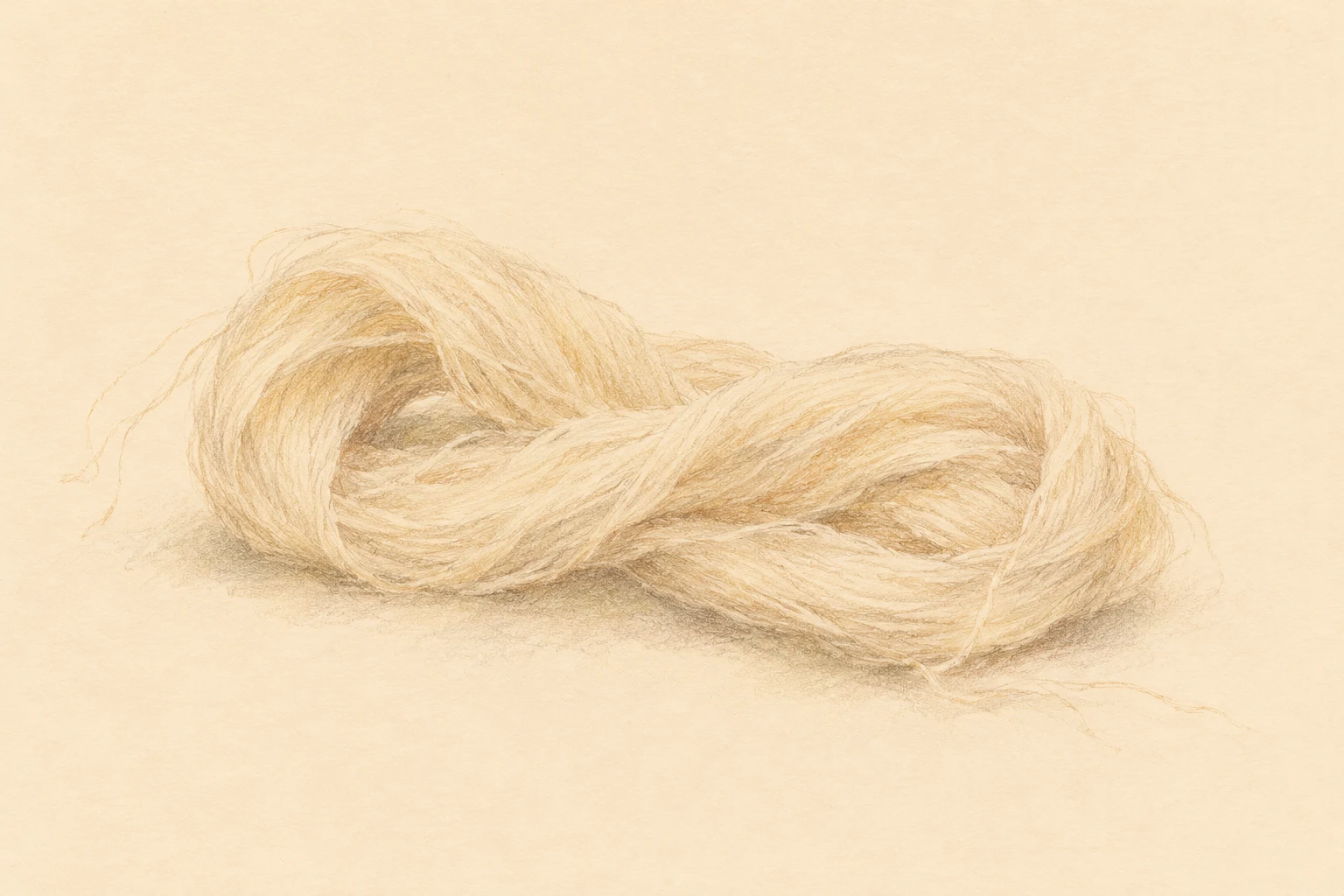
Gunma's silk industry included raising silkworms for cocoons, reeling raw silk and weaving thread into cloth. Tomioka Silk Mill opened in 1872 as a government factory using French machinery. Tomioka, Shimamura and Kiryu occupied different positions within silk production.
Satoshi Ono and colleagues' 2016 study of Shimamura farmhouses found that windows and projecting sections of silkworm rooms related both to ventilation and to moving mulberry leaves and equipment. Changes to the buildings reflected rearing conditions and daily work.
In Kiryu, separate businesses handled yarn sales, dyeing, twisting, warp preparation, weaving and distribution. Shiho Kagami and colleagues' 2008 study of two weaving businesses showed this division of labor alongside combinations of established trading relationships and direct sales.
Mountain farmland, river confluences and silk-producing towns occupy different parts of Gunma. While the Tone system connects the terrain, materials, skills and orders have created other connections between places of production.